History

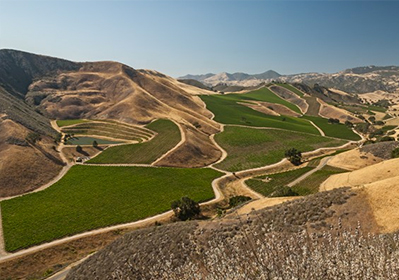
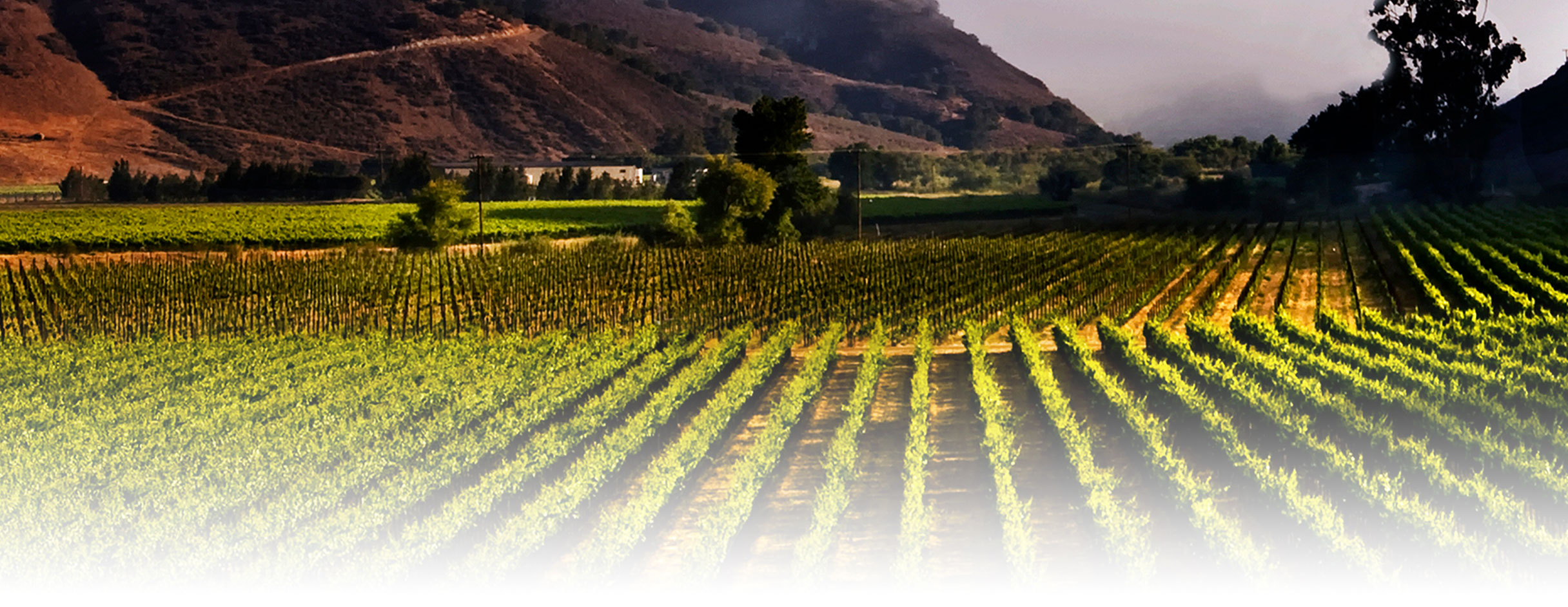
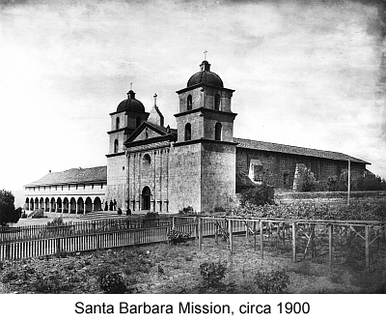
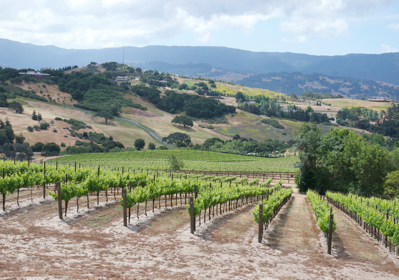
Santa Barbara County has a history of wine making and wine grape growing stretching back more than 200 years to before California was a State. From the Mission Era of early California through the Ranchero and Pueblo Era, struggling through Prohibition to the beginning of the modern era of wine making that started in the 60’s, Santa Barbara County continues to combine traditional, hand-made techniques, with the latest innovations in grape growing and wine making.
Los Olivos District granted official AVA status

Los Olivos District granted official AVA status

Ballard Canyon granted official AVA status

Ballard Canyon granted official AVA status

The 2012 season was a long sunny year, with normal rainfall amounts during the winter months, minimal frost and mild wind during bloom-time. Warm temperatures starting in mid-July and continuing through early October helped ripen the plentiful crop load. This also made harvest for both winemakers and grape growers more intense as many varieties ripened very close together.

The 2012 season was a long sunny year, with normal rainfall amounts during the winter months, minimal frost and mild wind during bloom-time. Warm temperatures starting in mid-July and continuing through early October helped ripen the plentiful crop load. This also made harvest for both winemakers and grape growers more intense as many varieties ripened very close together.

The 2011 season was challenging for growers. The spring time began with a damaging freeze which lasted for multiple days. Later cool, windy, and rainy weather at bloom further reduce the crop. The spring and summer weather was mild, creating high mildew and botrytis pressure. The growing season included unseasonable light rain events throughout the spring, summer and fall months. With the exception of a couple of light rain events, the harvest season was warm.

The 2011 season was challenging for growers. The spring time began with a damaging freeze which lasted for multiple days. Later cool, windy, and rainy weather at bloom further reduce the crop. The spring and summer weather was mild, creating high mildew and botrytis pressure. The growing season included unseasonable light rain events throughout the spring, summer and fall months. With the exception of a couple of light rain events, the harvest season was warm.

2010 proved to be the coolest season in memory marked by reduced vine growth, low yields and delayed ripening. Both the spring and summer were unseasonable cool with the exception of a significant heat spike in late September followed by early rains during harvest season.

2010 proved to be the coolest season in memory marked by reduced vine growth, low yields and delayed ripening. Both the spring and summer were unseasonable cool with the exception of a significant heat spike in late September followed by early rains during harvest season.

Happy Canyon of Santa Barbara granted AVA status

Happy Canyon of Santa Barbara granted AVA status

Drought continued for the third year in 2009 leading to both low vigor and low yields. The spring and summer were mild and cool but a late September heat spike pushed the sugars up. The harvest season was challenging due to the October rains which were followed by 90 degree weather.

Drought continued for the third year in 2009 leading to both low vigor and low yields. The spring and summer were mild and cool but a late September heat spike pushed the sugars up. The harvest season was challenging due to the October rains which were followed by 90 degree weather.

2008 was a tough year with less than 10 inches of rainfall and a late April freeze that contributed to low yields. Summer was mild with the exception of a late August heat spike. This heat spike lead to an early harvest which was marked by an early October freeze occurring before the completion of harvest.

2008 was a tough year with less than 10 inches of rainfall and a late April freeze that contributed to low yields. Summer was mild with the exception of a late August heat spike. This heat spike lead to an early harvest which was marked by an early October freeze occurring before the completion of harvest.

2007 began with below average rainfall and cold winter temperatures, which in turn lead to late budbreak. Bloom time was cool, followed by an unpredictable summer with multiple heat spikes. The weather created a long hang time and an extended harvest

2007 began with below average rainfall and cold winter temperatures, which in turn lead to late budbreak. Bloom time was cool, followed by an unpredictable summer with multiple heat spikes. The weather created a long hang time and an extended harvest

2006 was the second year in a string of wet winters. The spring bloom time period was wet and windy as well. The summer continued to be very mild creating a long growing season with a later than usual harvest.

2006 was the second year in a string of wet winters. The spring bloom time period was wet and windy as well. The summer continued to be very mild creating a long growing season with a later than usual harvest.